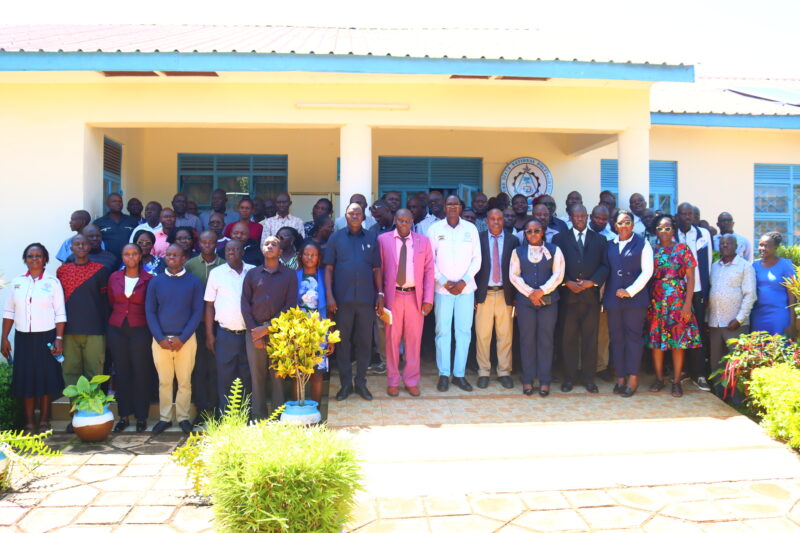

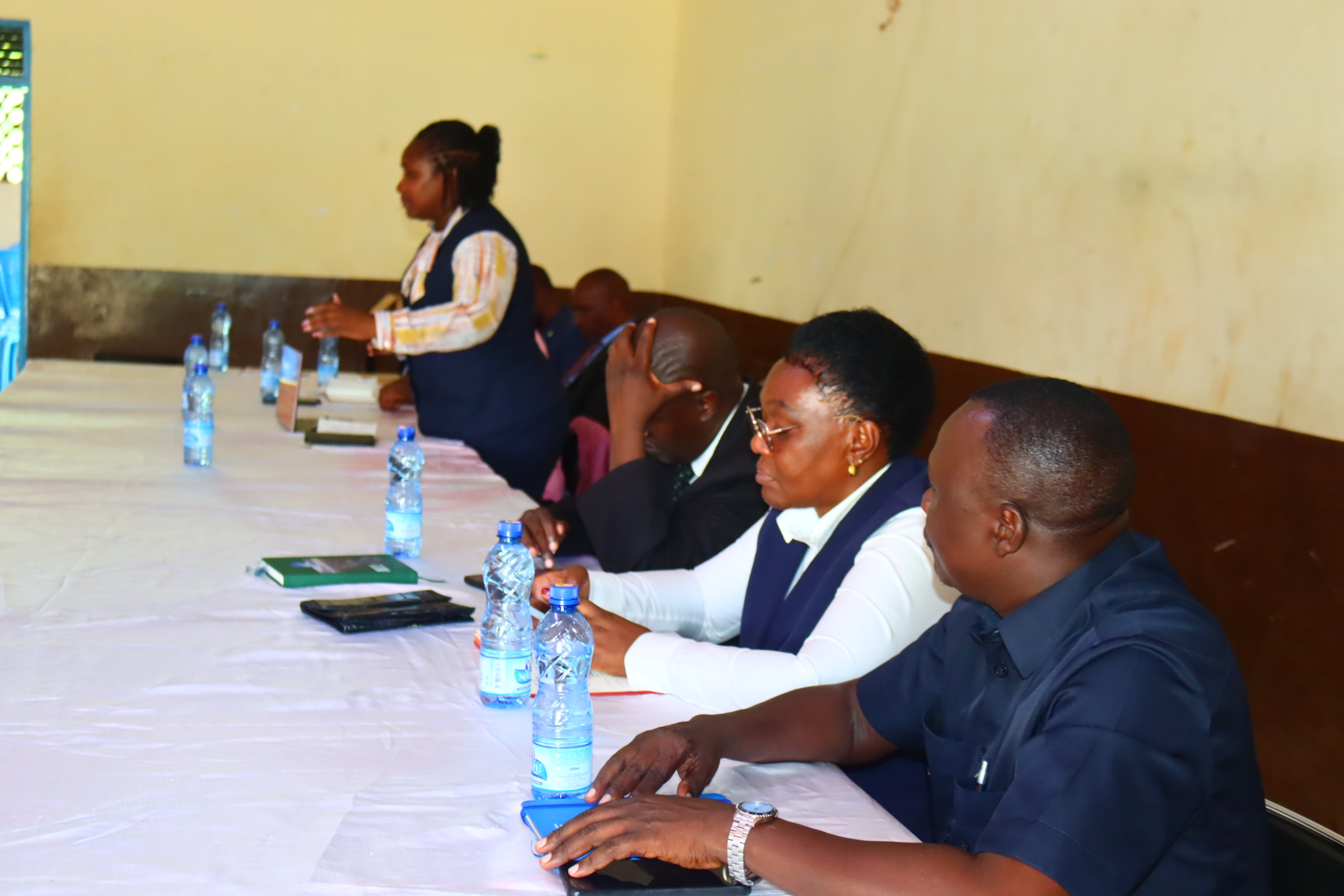
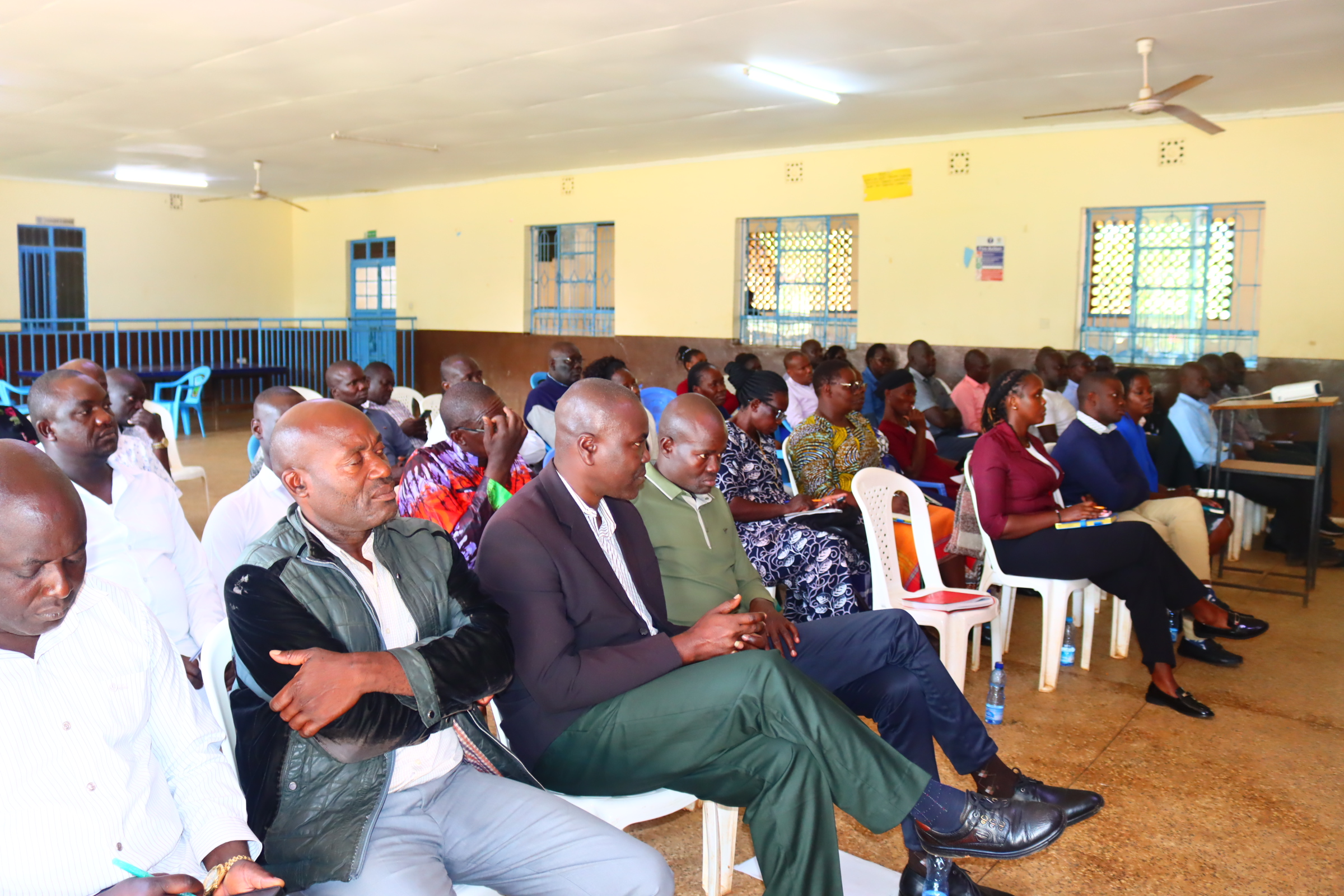
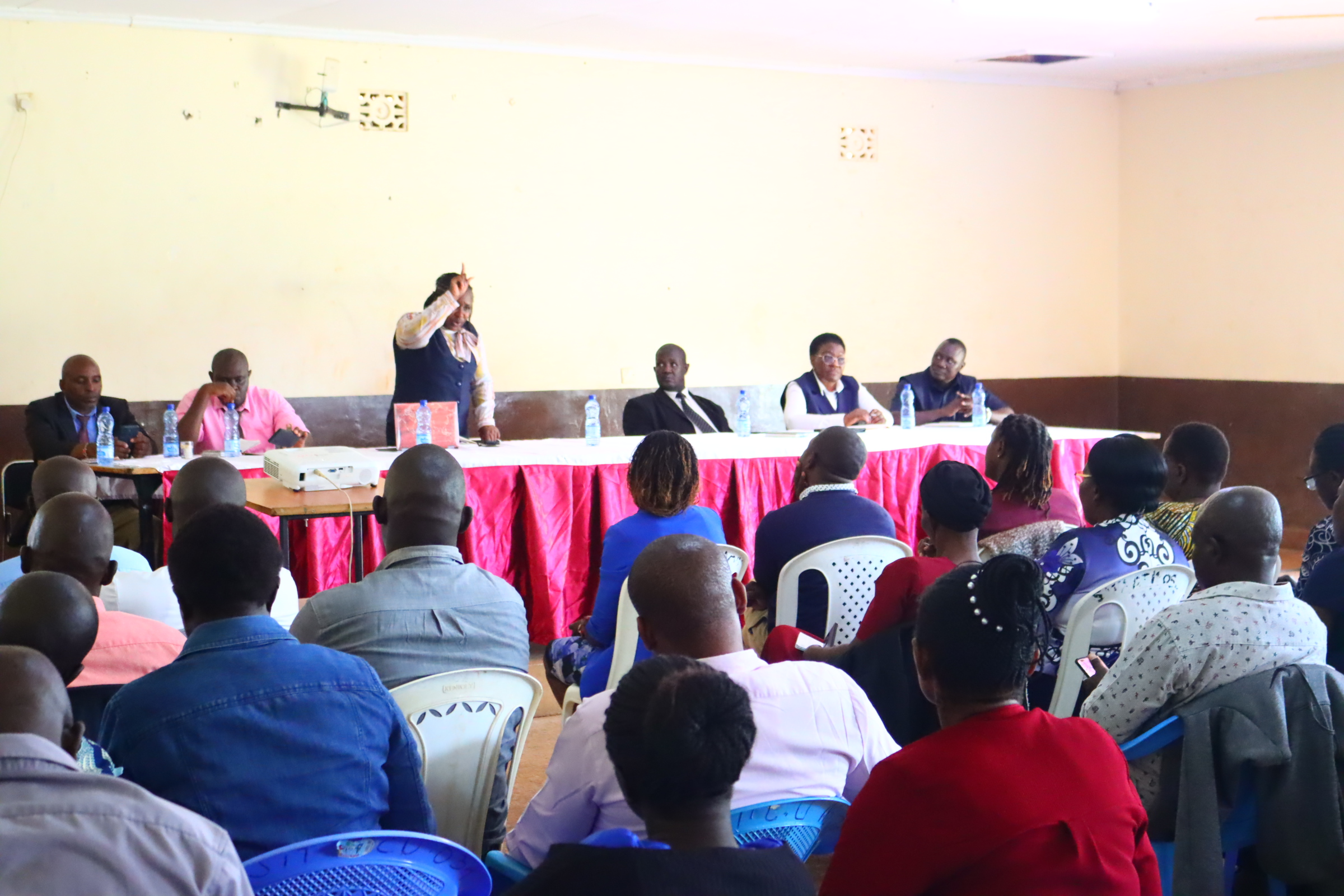
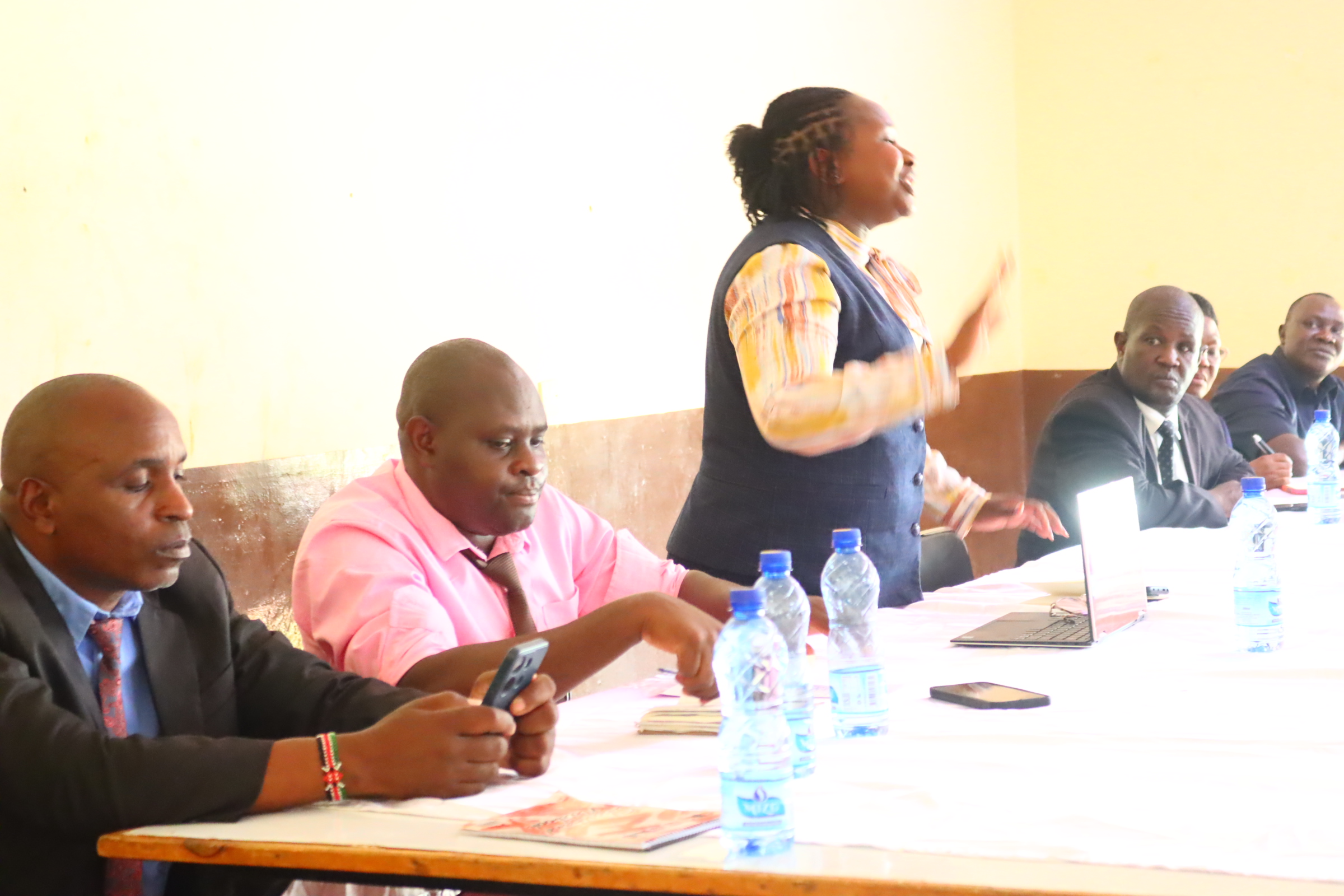
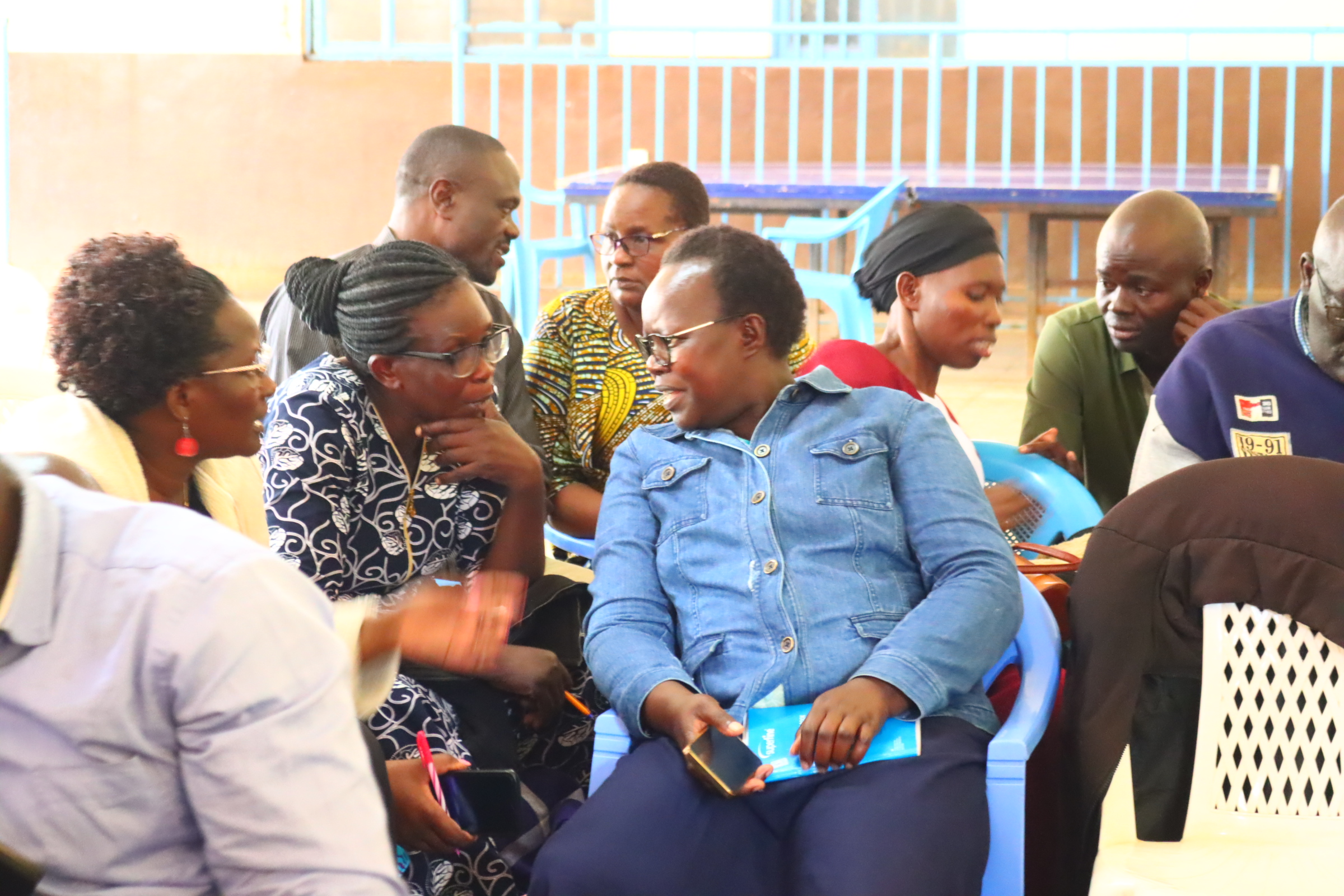
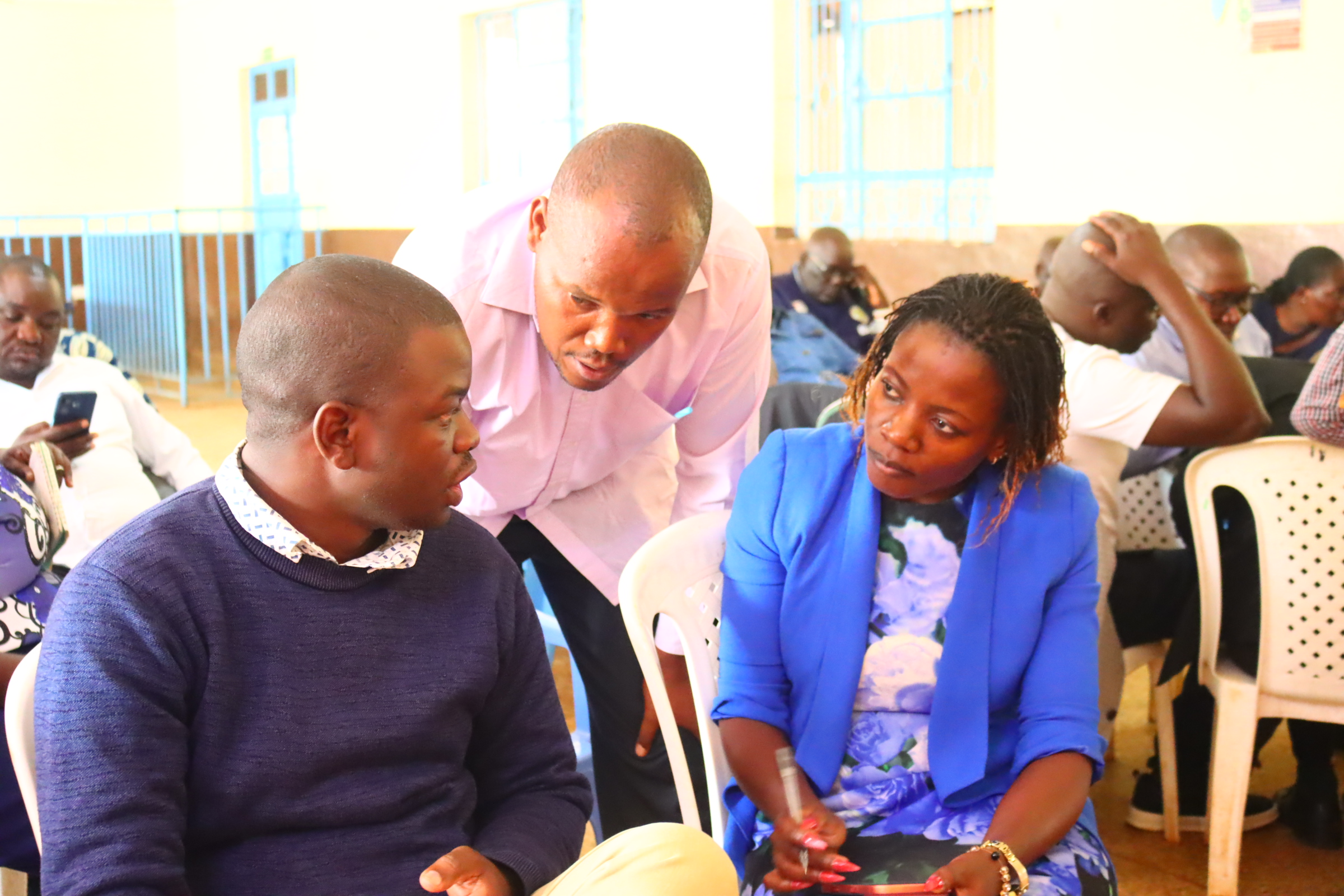
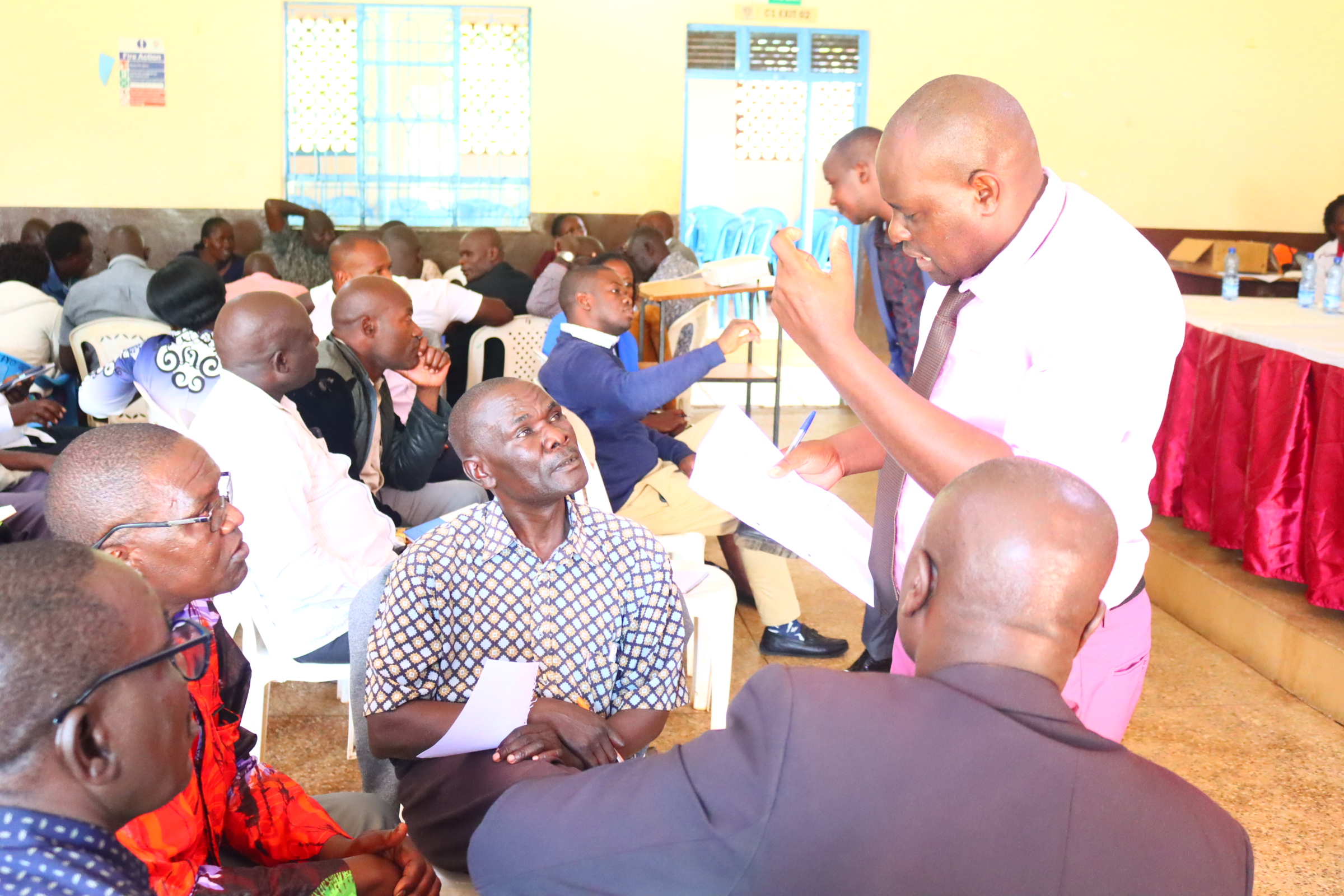
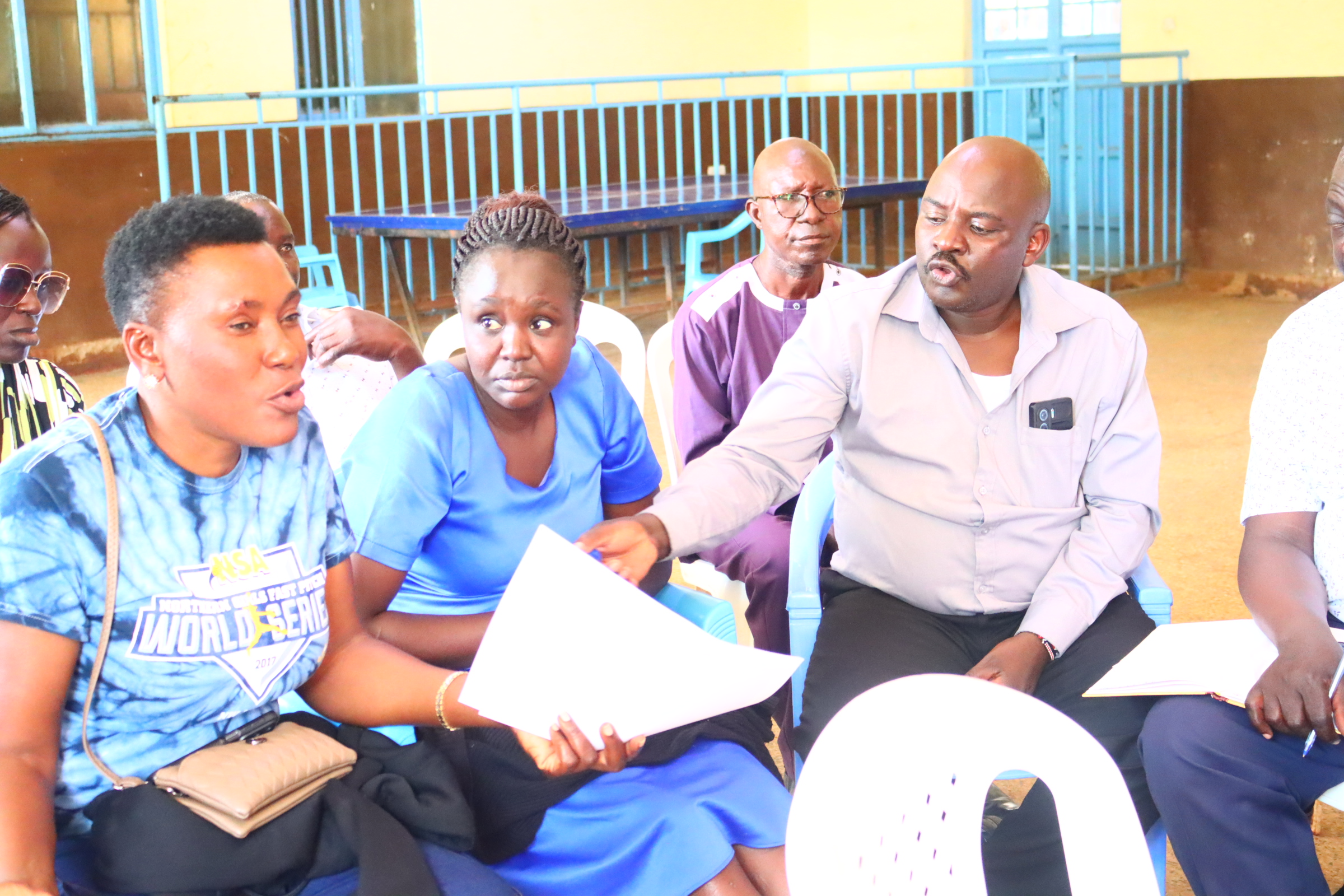
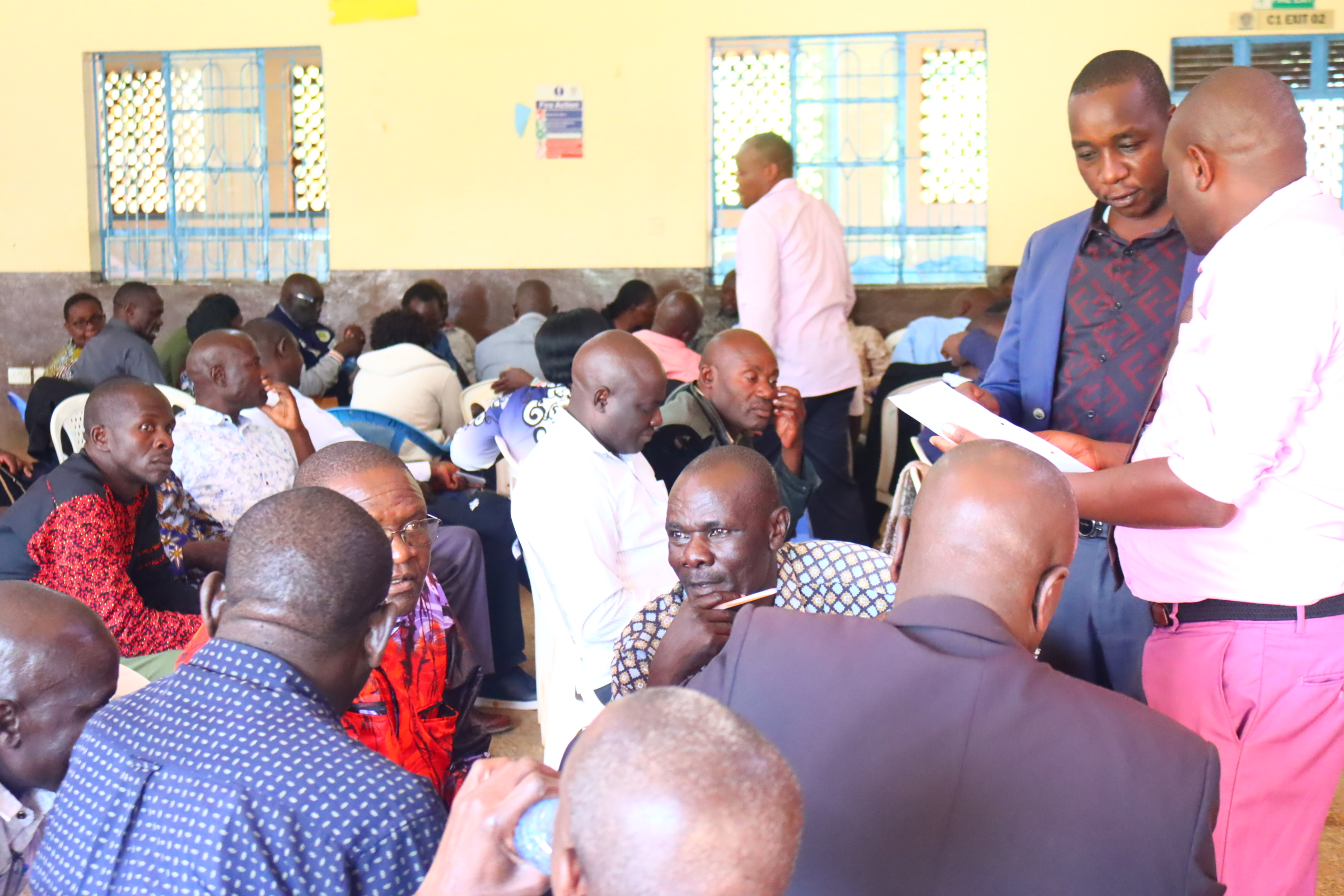
In a deliberate and strategic move to address the growing number of primary and high school leavers who exit the education system without a clear pathway forward, a Joint Mobilization Forum was recently convened bringing together National Government Administrative Officers (NGAOs) — specifically Chiefs and Sub-Chiefs — from across the region. The forum marked a significant step in bridging the gap between grassroots community leadership and the technical and vocational education sector.
The initiative recognizes a simple but powerful truth: in Kenyan communities, the Chief and Sub-Chief are among the most trusted and accessible points of authority. When a family is unsure about their child’s future, it is often the local administrator they turn to first. This forum sought to ensure that when that moment arrives, those leaders are ready — equipped with the right information, the right message, and the right strategies to point young people toward opportunity.
Every academic cycle, a significant number of young people complete their Kenya Certificate of Primary Education (KCPE) or Kenya Certificate of Secondary Education (KCSE) examinations and find themselves at a crossroads. Without the grades for a university placement or the financial means for private colleges, many drift into unemployment, early marriages, or economic hardship — not because they lack potential, but because they lack direction.
Technical and Vocational Education and Training (TVET) institutions offer a proven, government-supported alternative. Yet enrolment figures continue to lag behind the scale of need, partly because awareness at the community level remains low and partly because cultural perceptions still undervalue vocational training compared to university education.
The Joint Mobilization Forum was convened precisely to tackle these barriers from the ground up — starting with the leaders who have the ear of the community.
National Government Administrative Officers occupy a unique space in Kenya’s governance structure. As the direct representatives of the national government at the grassroots level, Chiefs and Sub-Chiefs are not merely administrators — they are community anchors. They preside over barazas, mediate disputes, coordinate development initiatives, and most importantly, maintain constant contact with families across their jurisdictions.
The forum leveraged this reality. Participants were taken through comprehensive sessions on the TVET landscape in Kenya, the specific programmes and opportunities available at regional institutions, and the economic returns of skills-based education. They were then guided in developing tailored, community-specific mobilization strategies — approaches that account for local culture, economic realities, and the most common misconceptions families hold about vocational training.
“When a parent hears about TVET from a college brochure, they may ignore it. When they hear it from their Chief at a baraza, they listen. That is the power we are trying to harness.”— Forum Facilitator
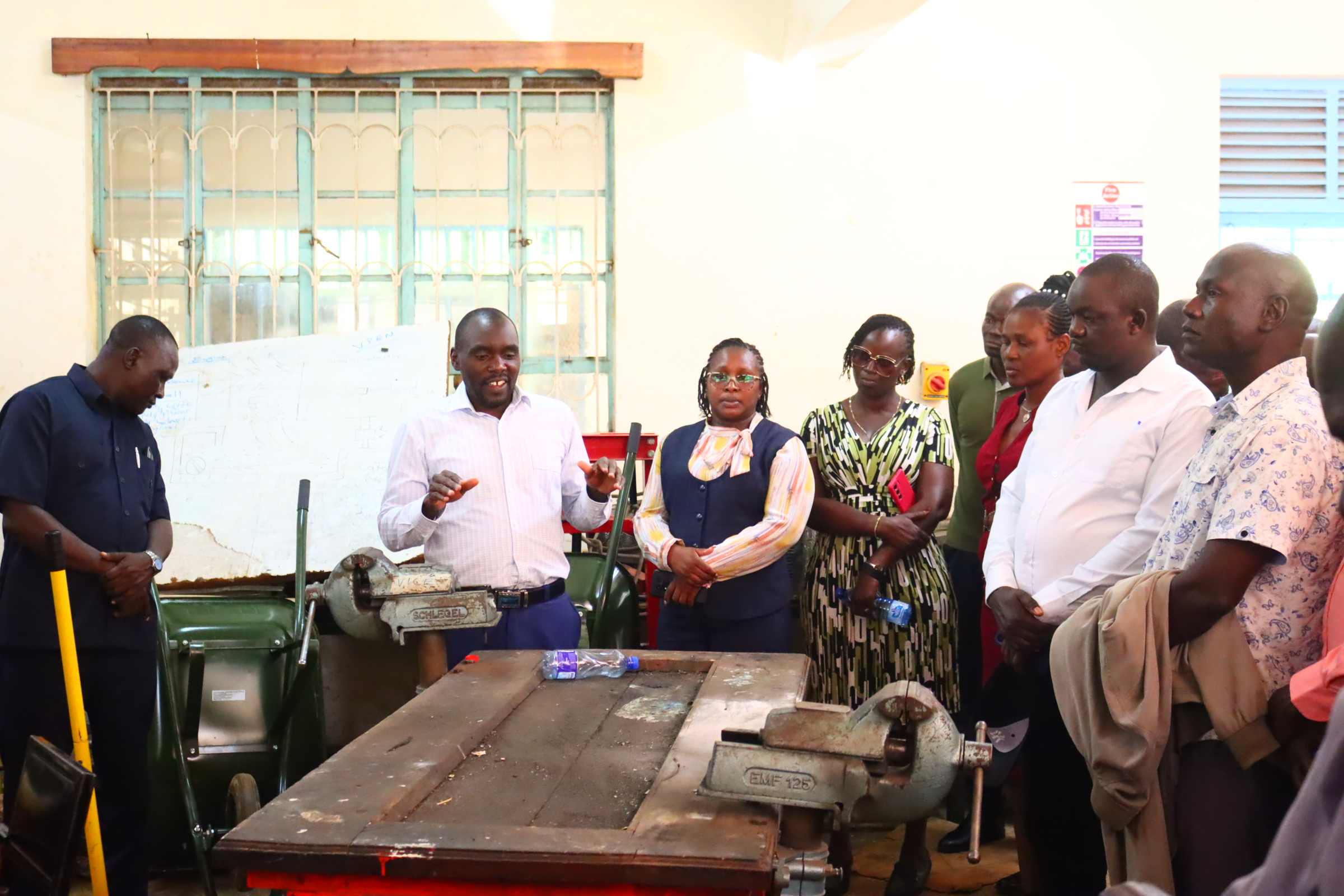
A central focus of the forum was The Siaya National Polytechnic, one of the premier TVET institutions in the region and a critical resource for young people across Siaya County and its environs. The polytechnic offers a wide range of nationally accredited programmes spanning engineering, ICT, business studies, hospitality, fashion and design, building and construction, and more — all designed to equip learners with practical, market-relevant skills.
Participants were given an in-depth overview of the institution’s intake requirements, fee structures, government sponsorship opportunities through the TVET Funding Agency, and the career pathways that graduates have pursued. Many administrators were themselves surprised by the breadth of what the polytechnic offers and the affordability of its programmes — insights they committed to taking back to their communities.
The Siaya National Polytechnic, administrators were reminded, is not a fallback option. It is a first-choice destination for any young person who wants to acquire skills, build a career, and contribute meaningfully to their community and the national economy. The forum challenged participants to communicate this message with conviction.
One of the forum’s most urgent themes was the fate of school leavers who fall through the cracks of the education system. Each year, after KCPE and KCSE results are released, communities see a familiar pattern: students who did not make the cut for secondary school or university quietly disappear from the education radar. Some migrate to urban centres in search of casual work. Others remain at home, vulnerable to idleness and its attendant risks.
The forum positioned Chiefs and Sub-Chiefs as the first line of intervention in reversing this trend. With their knowledge of who has recently completed school in their areas, local administrators are uniquely placed to identify these young people early and guide them toward TVET enrolment before discouragement sets in.
Practical tools discussed at the forum included community barazas dedicated to education and skills training, door-to-door sensitization in collaboration with TVET institution representatives, and coordinated outreach during the post-examination period when families are most receptive to guidance.
The forum closed with a renewed sense of purpose among participants. Chiefs and Sub-Chiefs left not just informed, but activated — with concrete strategies, institutional contacts, and a mandate to champion TVET within their areas of jurisdiction.
The initiative reflects a growing understanding that expanding TVET enrolment is not solely the responsibility of educational institutions or the national government. It requires a whole-of-community approach — one where local leaders, families, schools, and institutions work in concert to ensure that every young person who completes primary or secondary education has a clear, supported pathway forward.
The Siaya National Polytechnic stands ready to play its part. The doors are open. And now, more than ever, the community’s leaders are ready to help young people walk through them.